Published
4 minute read
At 55, I’ve seen just about every fitness trend come and go. Low-fat, no carbs, detox teas—you name it. Add in the never-ending onslaught of advice from influencers on social media and sometimes we’re left scratching our heads about what is the best approach to our health and longevity. There’s one thing I know for sure, it’s this: quick fixes don’t last.
What does last is building a body that works with you, not against you. And that starts with muscle.
If you’re on a weight loss journey, especially if you’re using a GLP-1 medication—you’ve probably noticed the scale moving. That’s exciting, and you should absolutely celebrate it. But here’s the part most people don’t talk about enough: not all weight loss is created equal.
Let’s get into the “why” behind strength training—and why this is your moment to protect your metabolism, your strength, and your future.
Muscle is Your Metabolic Safety Net
Think of muscle as your body’s engine. The more muscle you have, the more calories your body burns even at rest. When you lose weight without protecting muscle, that engine gets smaller—and suddenly, your body needs fewer calories. That’s when plateaus hit, energy drops, and maintaining weight loss becomes harder than losing it in the first place.
And trust me, rebuilding muscle later is a lot harder than maintaining it now.
Strength Training Isn’t About Bulking Up
Let’s clear this up right away: you are not going to accidentally become a bodybuilder.
Strength training is about staying capable. It’s about carrying groceries without thinking twice.
Getting up off the floor with ease. Keeping your independence as you age. At 55, I don’t train to look like I’m 25—I train so I can move well, feel strong, and keep doing the things I love.
And here’s the bonus: muscle gives your body shape. That “toned” look everyone talks about?
That’s muscle.
The Real-Life Approach (No Extremes Required)
You don’t need a perfect plan—you need a doable one.
Start here:
2–3 days of strength training per week
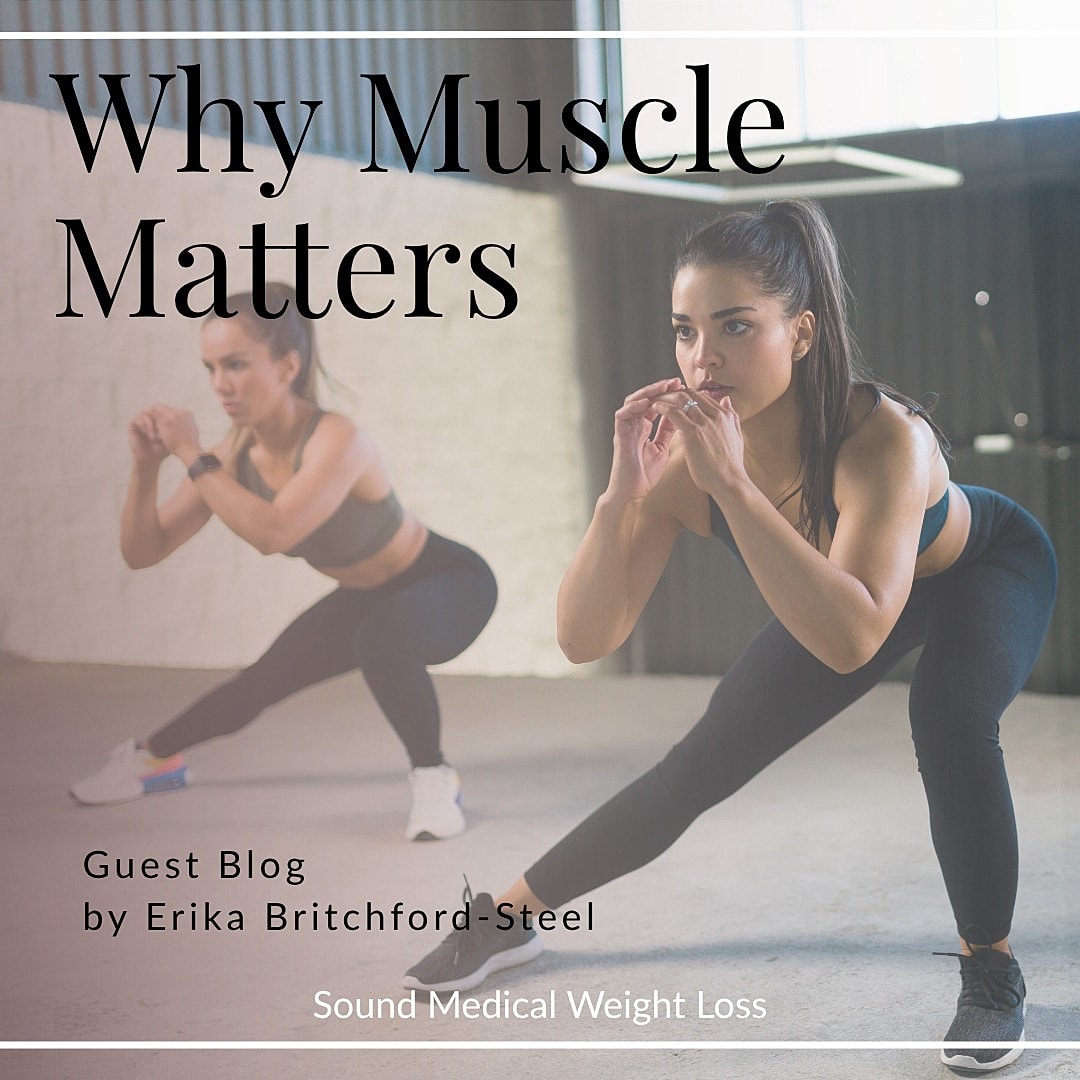
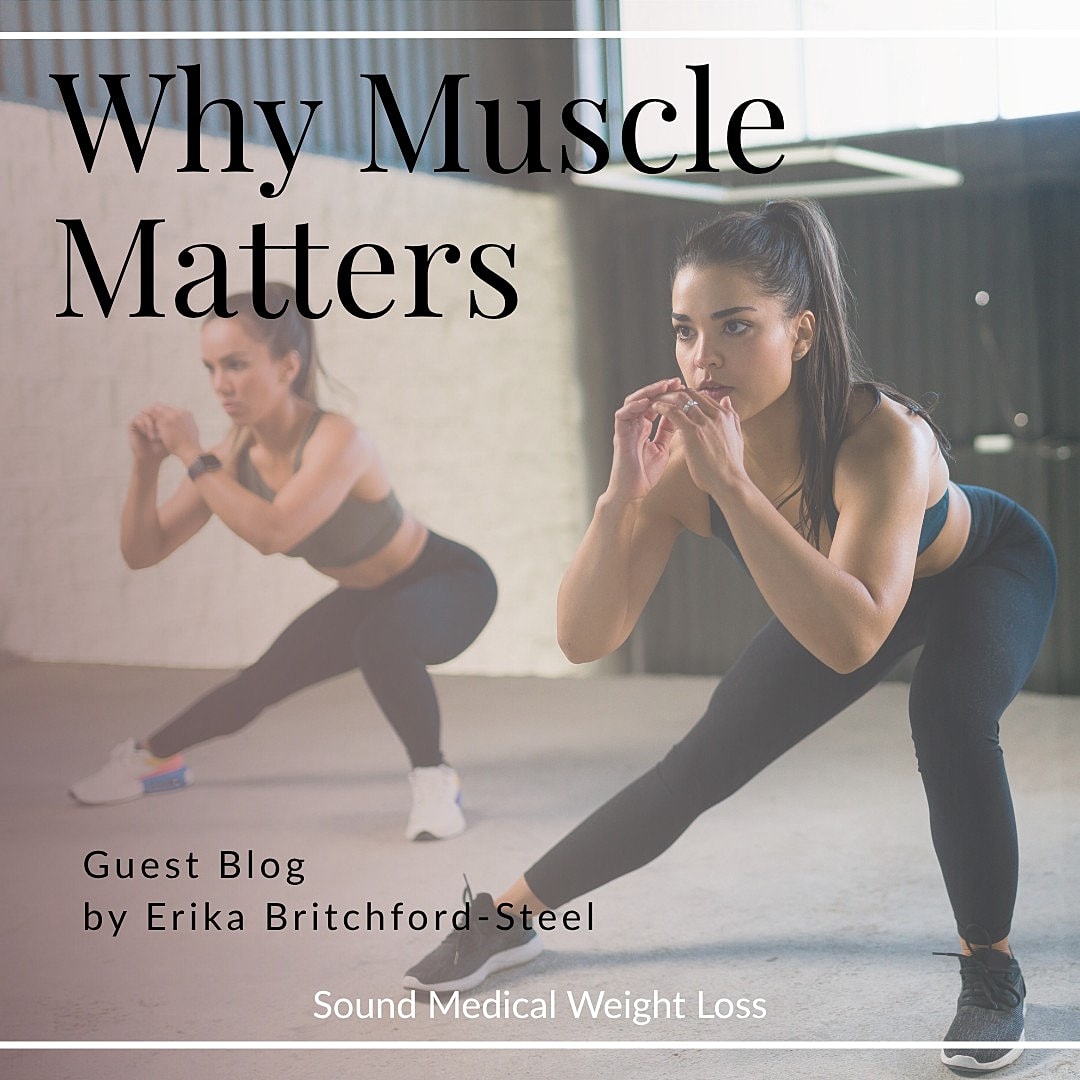
Full-body workouts. Simple movements: squats, pushing, pulling, hinging. Bodyweight or light weights count. Ideally with the guidance of a trainer so you learn correct form and stay injury free. Progressive overload takes time.
Prioritize protein
This doesn’t have to be complicated. Just make sure you’re getting some protein at each meal—especially important if your appetite is low.
Keep moving daily
Walking still matters. It supports fat loss, recovery, and overall health.
Progress slowly
A little more weight, a few more reps, better form. That’s how strength builds.
This Is About Playing the Long Game
If you’ve struggled with weight cycling, losing, gaining, starting over—you’re not alone. I’ve worked with hundreds of people in that exact spot.
The goal is to build a body that’s resilient.
Muscle helps stabilize your metabolism. It supports your joints. It keeps you strong as the years go by. And when the weight comes off with muscle intact, it’s far more likely to stay off.
A Word From Someone Who’s Been Doing This a While
At this stage of life, I’m not interested in punishing workouts or chasing unrealistic standards. I’m interested in strength, energy, and longevity. To maintain my independence as long as possible. To do the things that bring me joy and happiness. To keep up with my kids and grandkids. To not be a burden on those I love.
And I want the same for you..
Bottom line:
Muscle isn’t just about fitness, it’s about sustainability. Protect it, build it, and your weight loss journey becomes something you can maintain.
And that’s where real success lives.
Written by:
Erika Britchford-Steel
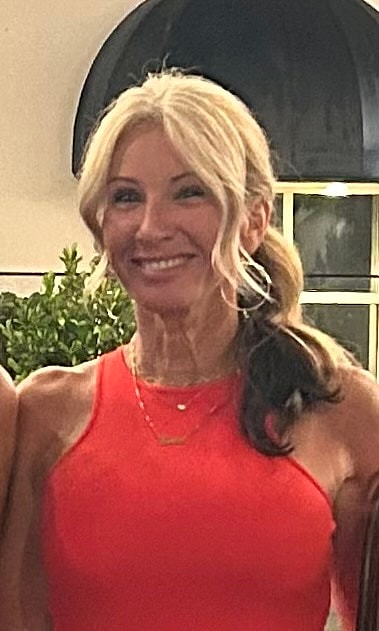
Bio: Born and raised in England and came to the USA on a golf scholarship. Erica has been a personal trainer for over 12 years, a golf instructor for over 20 years and a group fitness instructor for over 10 years, ranging from Orange Theory to Body Pump to name just a few of her certifications and has raised 3 beautiful kids while living in Kirkland WA. She specializes in injury prevention and behavioral change all while making workouts fun. Her goal is to make sure you can do it on your own even though it's a lot of fun doing it together.
Erika is one of Sound's Personal Traingers that we partner with for our programs.